
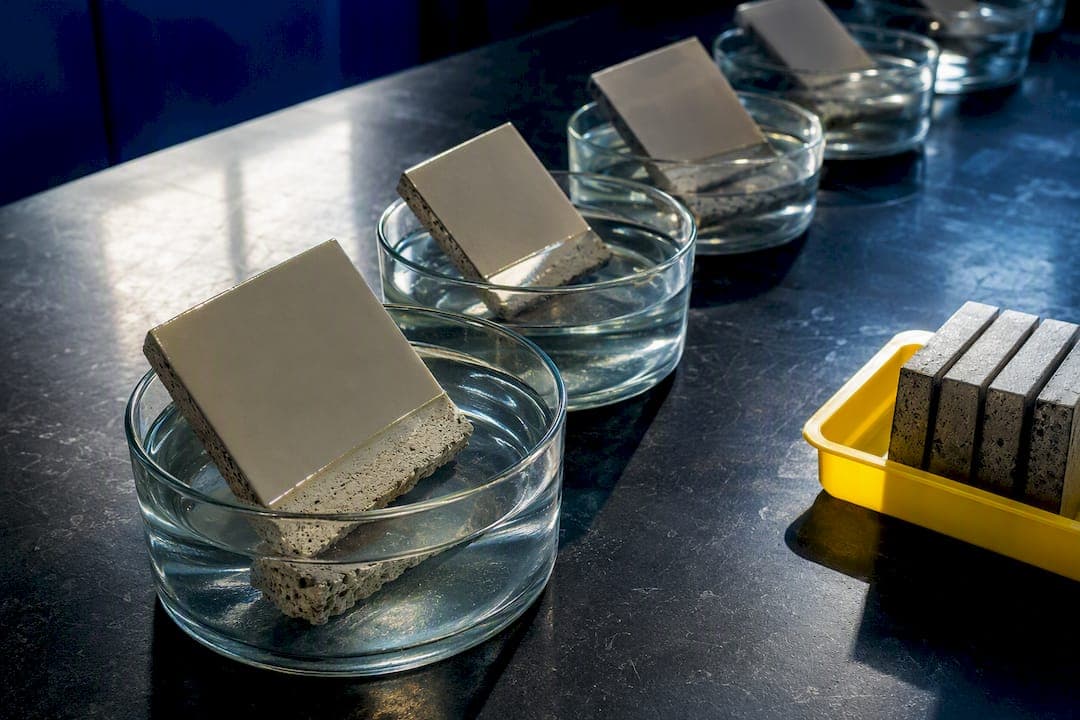
Novolac and vinyl ester epoxies handle concentrated acids and aggressive solvents better than any other resin family, while standard bisphenol-A/F epoxies do fine against fuels, oils, and mild everyday chemicals. None of that holds without three conditions: the chemical's concentration and temperature stay within the manufacturer's tested range, and the coating gets full cure time before contact.
TL;DR:
- Novolac and vinyl ester epoxies effectively resist concentrated acids and aggressive solvents if applied within manufacturer-recommended concentration and temperature ranges.
- Standard bisphenol-A and bisphenol-F epoxies handle fuels and mild chemicals well but are limited against polar solvents and strong oxidizers.
- Chemical resistance ratings depend heavily on test conditions, exposure mode, and curing; a "recommended" rating often only applies under specific lab conditions.
- Proper surface preparation, especially diamond grinding, and full cure time of 5 to 7 days are critical for achieving optimal chemical resistance.
- Verifying actual chemical compatibility requires consulting detailed test conditions, running field patches, and engaging manufacturer support for extreme or continuous exposure scenarios.
Table of Contents
- What Determines Epoxy Chemical Resistance?
- How Do You Read a Chemical Resistance Chart Correctly?
- How Do Epoxies Handle Acids, Alkalis, Fuels, and Solvents?
- Why Do Lab Ratings Differ From Real-World Performance?
- How Do You Verify Epoxy Chemical Compatibility?
- What Should You Check Before Choosing an Epoxy for Your Application?
- What Installation Practices Protect Chemical Resistance?
- What Safety Precautions Matter When Working With Epoxy Chemicals?
- Where Can You Find Reliable Chemical Resistance Data?
- An Installer's Perspective on Getting This Right
- Sources
What Determines Epoxy Chemical Resistance?
Resin chemistry sets the ceiling on what an epoxy coating can survive, and the differences between formulations are bigger than most spec sheets suggest.
Novolac epoxies pack a denser crosslink network than standard resins, which closes off the microscopic pathways chemicals use to penetrate a film. That density is why Sikagard-170 CR, a 100% solids novolac coating, lists regular contact resistance to sulfuric acid concentrations up to 98%. Epoxy.com Product #633 is built on the same novolac chemistry and publishes a full chemical resistance chart covering dozens of acids and solvents.
Bisphenol-A and bisphenol-F epoxies are the workhorses of the industry. They resist fuels, motor oil, and mild acids or bases well, which covers most garage and warehouse floors. Where they struggle is against polar solvents and strong oxidizers, a gap novolac and vinyl ester systems close.
Vinyl ester and epoxy vinyl ester blends push resistance further into aggressive solvents and hold up better at elevated temperatures. Mapecoat EPN 24 and the Derakane series both target this niche.
- Containment tanks and secondary spill basins: novolac or vinyl ester topcoats
- Process floors near acid handling: novolac systems like Sikagard-170 CR or Epoxy.com #633
- Garage, warehouse, and general maintenance floors: standard bisphenol-A/F systems
Curing agent choice matters almost as much as base resin. Evonik's technical guidance on ambient cure formulations shows that swapping curing agents within the same resin family can shift chemical resistance performance significantly, so the resin type on a data sheet only tells half the story.
How Do You Read a Chemical Resistance Chart Correctly?
Manufacturer charts look simple, but the rating letters hide a lot of fine print. Most tables use some version of these qualifiers:
- R (Recommended): the coating held up under the stated test conditions with no significant degradation.
- L (Limited): usable for splash or occasional contact, not continuous immersion.
- NR (Not Recommended): the resin fails or degrades meaningfully under that reagent.
- LS (Limited Service) or "appearance caution": the coating survives structurally but may stain, discolor, or soften slightly.
That last category trips up a lot of buyers. Even Sikagard and Epoxy.com note that repeated exposure or evaporation-driven concentration increases can push a "limited service" reagent toward real damage, even when the original rating looked acceptable.
Before trusting any single row on a chart, confirm four things: the exact reagent name (not a generic category), its concentration, the test temperature, and whether the rating reflects immersion or occasional splash.
Pro Tip: Call the manufacturer's technical line and ask what test standard and exposure duration generated the chart. A "Recommended" rating built on a 7-day room-temperature immersion test means something different than one built on 90 days at 140°F.
How Do Epoxies Handle Acids, Alkalis, Fuels, and Solvents?
A quick compatibility scan before you commit to a resin:
- Acids: Dilute acetic, hydrochloric, and nitric acid are manageable for most bisphenol epoxies. Concentrated sulfuric acid, especially above 70%, calls for novolac chemistry like Sikagard-170 CR or vinyl ester systems.
- Alkalis: General epoxies handle moderate alkali exposure reasonably well, but high-pH industrial cleaners at elevated temperature often need a specialized formulation, not a standard floor coating.
- Fuels and oils: Gasoline, diesel, and motor oil splash or spill exposure is where standard bisphenol-A/F epoxies excel, which is why they dominate garage and shop floor installations.
- Polar solvents: Acetone, methyl ethyl ketone (MEK), and methanol are where most epoxies, including novolac systems, show limited or no resistance. These solvents can soften or lift a cured film, and the effect gets worse with higher concentration and higher temperature.
That last category is the one people underestimate. A coating rated excellent for sulfuric acid can still fail against a solvent-based degreaser, because acid resistance and solvent resistance come from different parts of the resin's chemistry.
Why Do Lab Ratings Differ From Real-World Performance?
A chart is a starting point, not a guarantee, because four variables shift results more than most buyers expect.
- Concentration and temperature move the needle hardest. A resin rated "recommended" for 10% sulfuric acid at room temperature might drop to "limited" at 30% or at 100°F.
- Exposure mode changes what's acceptable. Continuous immersion demands a tougher system than occasional splash or spill.
- Film thickness and layering extend service life. A primer-plus-novolac-topcoat system resists longer than a single thin coat of the same resin.
- Cure state is the variable installers control directly.
5 to 7 days. That's the room-temperature window practitioner cure-time guidance recommends before exposing an epoxy coating to aggressive chemicals, even though the surface may feel dry to the touch in 6 to 12 hours. Exposing the coating early is one of the most common causes of premature chemical failure in the field.
How Do You Verify Epoxy Chemical Compatibility?
Charts and product claims only get you so far. Verification closes the gap.
- Pull the manufacturer's technical data sheet first and confirm the exact reagent, concentration, and temperature the resistance rating was tested against.
- Run a small field patch: apply the coating to a test area, expose it to the actual chemical at actual concentration, and log appearance, hardness, and adhesion over several weeks.
- For high-stakes applications like containment, commission formal lab immersion testing that tracks weight change, hardness, and visual condition at intervals, similar to methodology described in Evonik's curing-agent research.
- If the process involves concentrated acids, hot solvents, or continuous immersion, involve the manufacturer's technical support directly and lean toward novolac or vinyl ester chemistry rather than a general-purpose system.
What Should You Check Before Choosing an Epoxy for Your Application?
Match the resin to the job before you match it to price. Run through this before signing off on a spec:
- Identify every chemical the surface will contact, its concentration, and typical temperature.
- Determine exposure mode: constant immersion, daily splash, or rare accidental spill.
- Confirm cleaning chemicals used on the surface, since maintenance products cause as much damage as process chemicals.
- Build in cure time before the floor or tank goes into service.
For secondary containment and acid-handling areas, novolac topcoats are the safer default. Hot solvent service favors vinyl ester. Garage floors, retail spaces, and general commercial areas exposed mainly to fuels and oils do well on standard bisphenol-A/F systems, which is what most garage floor installations rely on.
Substrate prep affects chemical resistance almost as much as resin choice. Using diamond grinding rather than acid etching or light shot blasting opens the concrete pore structure for a mechanical bond, which matters when a coating needs to stay sealed against chemical intrusion at the edges and seams.
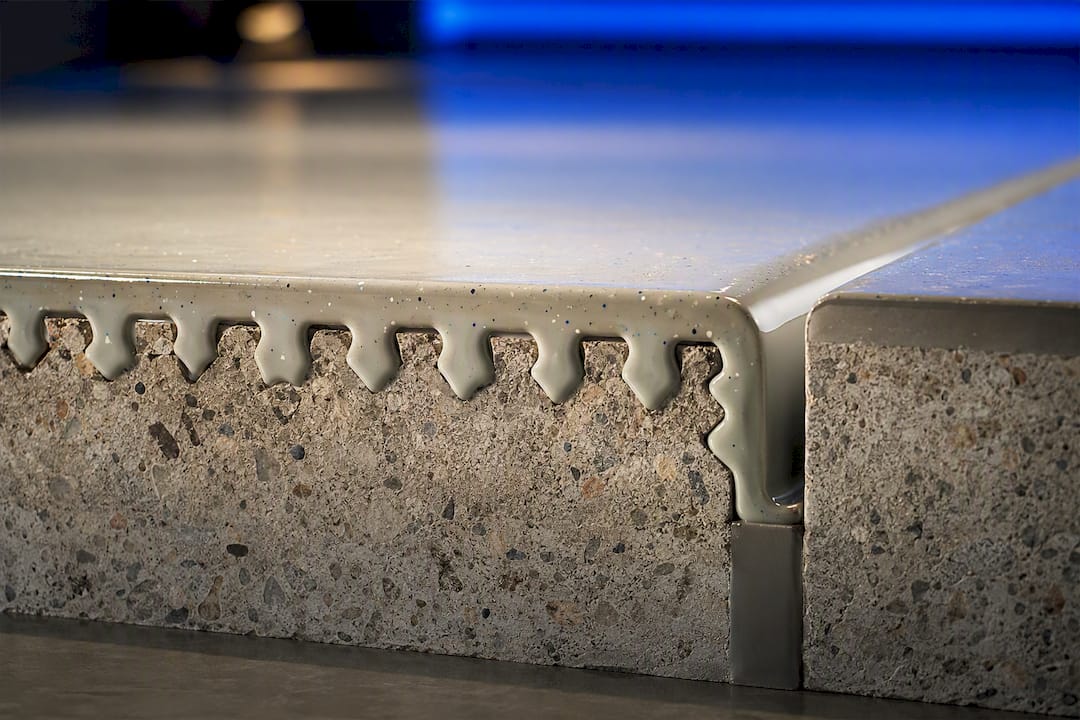
Pro Tip: Ask your installer what surface prep method they use and why. A coating with excellent chemical resistance on paper still fails early if it delaminates at a seam because the substrate wasn't properly opened up.
What Installation Practices Protect Chemical Resistance?
- Diamond grind the substrate to remove laitance and open the surface profile, check for adequate concrete temperature, and confirm moisture levels before coating.
- Follow the manufacturer's cure schedule exactly. Don't let foot traffic, vehicles, or chemical contact happen before the resin reaches full cure, typically 5 to 7 days at room temperature.
- Use adequate film thickness for the exposure level, and consider a dedicated topcoat layer over a primer coat in high-chemical-exposure zones.
- For commercial or industrial floors with elevated service temperatures, ask about extended cure or post-cure recommendations rather than assuming standard timing applies.
Getting these steps right on a garage floor installation is straightforward. Getting them right on a containment floor or process area is where experience with diamond grinding and layering actually pays off.
What Safety Precautions Matter When Working With Epoxy Chemicals?
- Wear a respirator during spraying, solvent-heavy prep work, or in poorly ventilated spaces, and follow the manufacturer's SDS guidance for the specific product in use.
- Cured epoxy is generally low risk once fully hardened, but toxicity profiles vary by formulation, so check the product's TDS and SDS rather than assuming.
- Avoid cleaning cured epoxy floors with acetone, MEK, or other polar solvents. These are the same chemicals that attack the resin itself, so routine maintenance should stick to mild detergents, as covered in guidance on maintaining an epoxy garage floor.
Where Can You Find Reliable Chemical Resistance Data?
Go straight to the source documents rather than secondhand summaries. Pull the Sikagard-170 CR technical data sheet, the Epoxy.com Product #633 chart, the LOCTITE PC 7319 product page, the Mapecoat EPN 24 brochure, and the Resoltech/Derakane resistance guide. Always ask for the exact test conditions behind each rating before you specify.
An Installer's Perspective on Getting This Right
Most chemical resistance failures trace back to a chart being read too literally. A "recommended" rating tells you a lab result, not a guarantee for your exact concentration, temperature, and exposure schedule. That gap is where field experience with surface prep and cure timing actually earns its keep, particularly the diamond-grinding approach applied to every job.
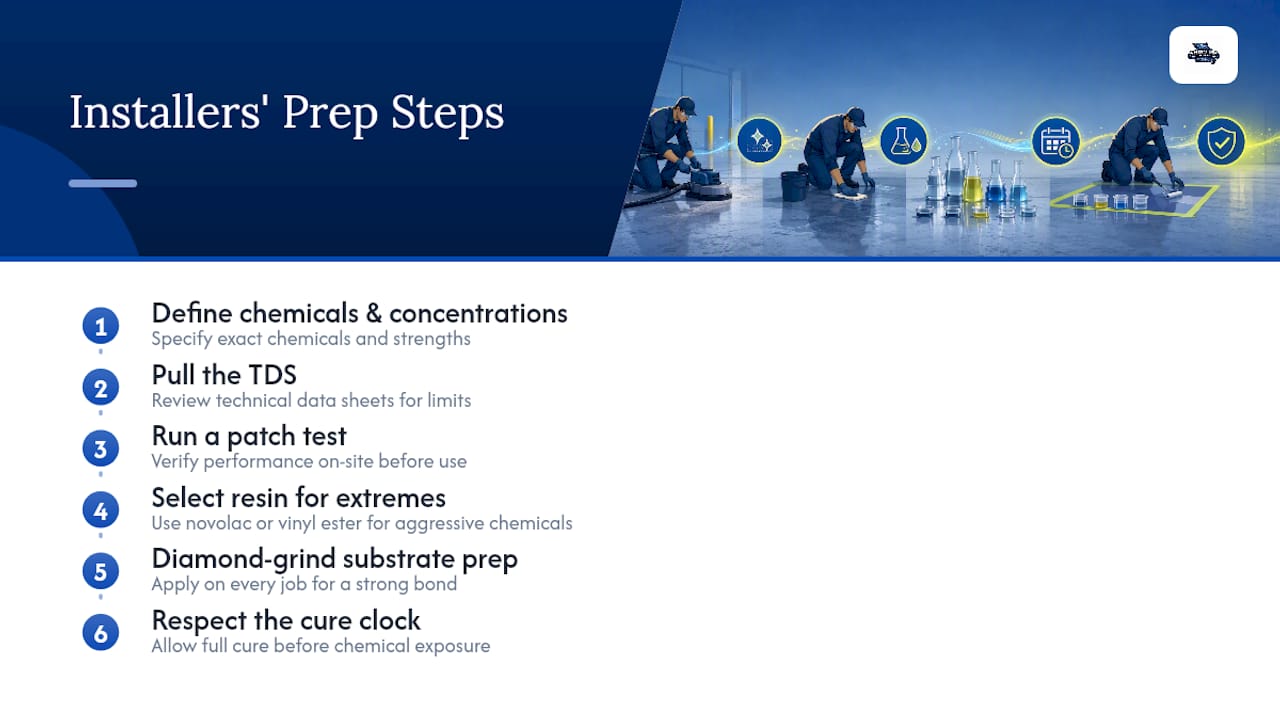
If you're specifying a coating: define the chemicals and concentrations first, pull the TDS, run a patch test, choose novolac or vinyl ester for anything extreme, and never rush the cure clock.
— Stephen
If you're weighing epoxy for a garage, basement, or commercial floor that sees regular chemical exposure, Showmeepoxy builds every installation on diamond-ground substrate prep for a bond that holds up under real-world conditions. Explore commercial epoxy flooring options or request a free quote to talk through the specific chemicals your floor needs to withstand.
Sources
- Sikagard®-170 CR | Chemical Resistant Coatings
- Epoxy Chemical Resistance Chart
- LOCTITE® PC 7319 | Henkel Adhesives
- Chemical resistance for ambient cure epoxy formulations (Evonik technical guidance)
- Epoxy floor coating cure time explained